Why the future of luxury wellness isn’t about more offerings — but better questions.
There is no shortage of wellness in the world. Retreats, programmes, disciplines, philosophies and practices now span everything from ancient traditions to modern endurance spectacles. Guests arrive well read, well trained and well intentioned. Many practise yoga. Many lift weights. Many run, cycle, swim or follow highly structured fitness regimes. On the surface, they are doing everything right. Yet increasingly, a different question emerges beneath the surface: not how fit someone is, but how well they are organised.
Modern fitness has become extraordinarily good at building capacity. It is far less adept at restoring coherence. Strength increases, endurance improves, flexibility expands, yet something quieter often deteriorates over time. Movement becomes asymmetrical. One side subtly leads. The other learns to stay safe. The body adapts intelligently, protecting itself through compensation rather than collapse. This process is rarely dramatic. It is gradual, efficient and easy to miss—until discomfort, instability or loss of confidence finally brings it into focus.
Most movement in contemporary life is relentlessly forward driven. Walking, running, cycling, gym training and even many rehabilitative approaches share the same directional bias. Forward motion rewards momentum and efficiency. It allows dominant patterns to persist without question and enables experience to mask imbalance. The stronger side carries on performing. The weaker side becomes increasingly silent. Activity continues, but organisation erodes.
When this happens, the usual response is to add more. More training, more strength, more effort, more control. Yet what is often missing is not stimulus but re-education. The body does not need to be pushed harder. It needs to be listened to differently.
KunAqua exists in this overlooked space. It did not emerge from a desire to create another fitness modality, nor to compete with existing disciplines. It emerged from a recognition that modern movement culture, for all its sophistication, has quietly neglected the conditions that allow the body to organise itself honestly again. KunAqua is not designed to exhaust, impress or entertain. It is designed to remove the shortcuts that modern exercise inadvertently encourages.
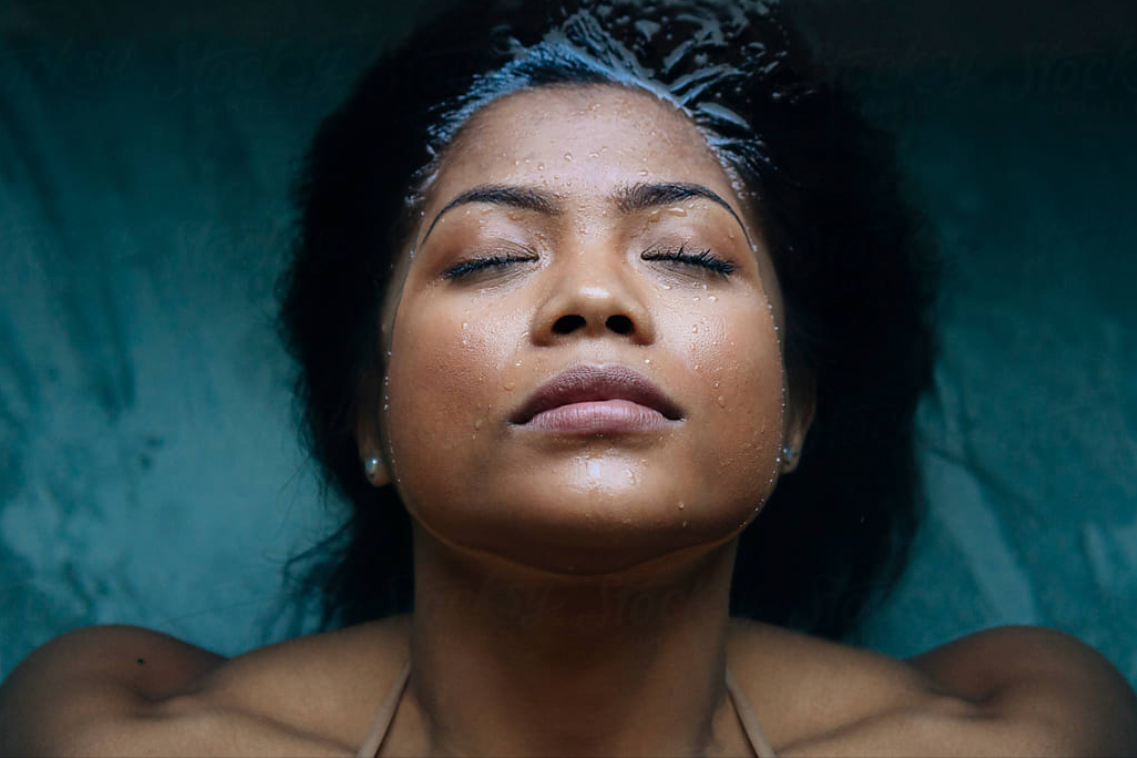
Using water not as a medium for intensity but as a medium for truth, KunAqua slows movement enough for compensation to reveal itself. Buoyancy reduces impact without removing responsibility. Resistance exists in every direction, making momentum unavailable as a coping strategy. Direction itself is reconsidered. Movement patterns that feel familiar on land suddenly feel exposed. The body can no longer rush past what it has been avoiding.
What distinguishes KunAqua is not complexity, choreography or innovation for its own sake. It is restraint. By taking away speed, force and forward bias, the nervous system is invited to reorganise rather than override. Balance becomes something that must be earned moment by moment. Posture is no longer aesthetic but functional. Gait becomes a conversation again, not a habit.
This is why KunAqua cannot be meaningfully compared to yoga, fitness classes or endurance training. Those disciplines ask important questions about range, capacity, resilience and performance. KunAqua asks a different one entirely: how well does the body coordinate itself when it is no longer allowed to compensate?
For many people, particularly in midlife, this question lands with surprising force. Decades of good habits coexist with equally entrenched protective patterns. Traditional exercise often reinforces what already works. KunAqua gently but insistently challenges what has been bypassed. The result is not fatigue, but clarity. People do not leave feeling depleted. They leave feeling reassembled.
In an era where wellness is often measured by output, KunAqua restores dignity to movement by shifting the focus back to organisation. It does not promise outcomes. It does not present itself as a cure, a shortcut or a solution to everything. It simply creates the conditions in which the body can stop negotiating with itself and start cooperating again.
This is why KunAqua tends to resonate most strongly with people who have already tried many things. Those who are disciplined, curious and perceptive enough to sense that something essential has been missing. It appeals not to novelty seekers, but to individuals who value intelligence over intensity and coherence over spectacle.
In the end, KunAqua is less about water than it is about attention. Less about exercise than about honesty. It does not ask how far, how fast or how hard. It asks something rarer and more enduring: how well do you move when you are no longer allowed to hide from yourself?
That question lingers long after the session ends. And once it has been asked properly, movement—of every kind—begins to feel different.