Health doesn’t need to be complicated.
But we’ve made it that way.
We wrapped it in subscriptions and apps, tracked it on screens, outsourced it to experts, and tied it to goals that often feel more like punishment than progress. In the process, something quietly slipped out of view.
Health is not something you buy. It’s something you do. Every day. Like washing your hands.
There was a time when health wasn’t managed, optimised, or even discussed. It simply emerged from the way life was lived. Movement wasn’t scheduled; it was necessary. Rest followed effort rather than being engineered. Hunger marked the honest space between meals. Cold, heat, strain, and recovery were part of the rhythm of daily life.
Health, in that context, was a by-product of conditions. And life itself enforced accountability.
You moved because you had to. You rested because you were tired. You recovered because something real had been spent. The body learned when to switch on and when to switch off because life required both.
Modern life has quietly removed many of those conditions. Not maliciously, but conveniently. We now live more seated than standing, more regulated than responsive, more stimulated than rested, and more informed than embodied. In response, an entire industry has grown to compensate — selling back, in fragmented products and protocols, what once came built into everyday life.
None of this is inherently wrong. But none of it can be foundational.
Without accountability to effort, recovery, and repetition, no tool can replace the biological inputs the human body still expects.
So the real question isn’t which programme works best, or which tool is most effective. It’s simpler than that: what happens when we restore, through small daily habits, the inputs modern life has quietly removed — and hold ourselves accountable to them?
No gym. No programme. No targets. Just visible, repeatable action.
Standing up from a chair without using your hands. Balancing on one leg. Walking after meals. Going to bed a little earlier — occasionally, not perfectly. These aren’t exercises in the conventional sense. They’re signals.
Signals that effort still matters. That the body is still involved. That consistency isn’t motivational — it’s structural.
What changes isn’t just strength or mobility. It’s the relationship with effort itself. Accountability returns — not as discipline or pressure, but as something woven back into daily life. Health stops feeling like another task to manage and starts feeling like something that quietly returns when the conditions are right.
This isn’t about rejecting modern tools or romanticising the past. It’s about recognising that the body still runs on ancient logic. When even fragments of that logic are restored — purposeful movement, natural effort, honest recovery, daily accountability — the system responds. Not dramatically, but reliably.
We don’t get better because we try harder. We get better because life stops working against us.
That’s the quiet paradox of modern health: we apply more effort than ever, with more sophistication than ever, yet often end up feeling less robust than before.
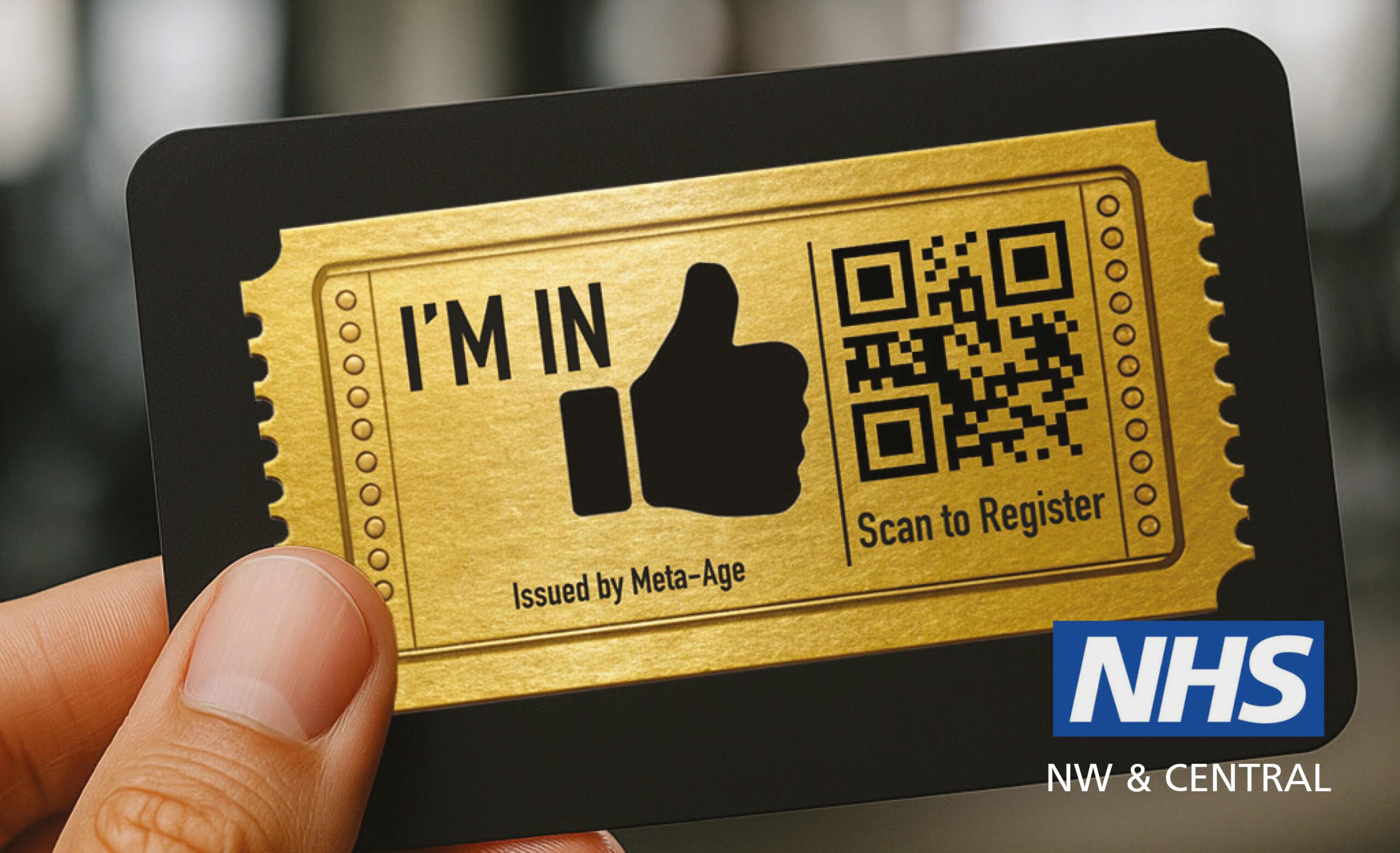
The Golden Ticket isn’t a programme or a reward. It’s accountability to self, embedded into daily life. A reminder that health doesn’t begin with willpower, motivation, or information. It begins when life once again asks the body to do what it was built for — and we answer, consistently.
This way of thinking — focusing on conditions rather than isolated actions — is the Golden Ticket. Because the most scalable health intervention isn’t another platform, campaign, or prescription. It’s rebuilding the conditions in which health can emerge again.
That’s not nostalgia. It’s systems thinking.
And sometimes, the most effective solution really is as simple as a bar of soap.