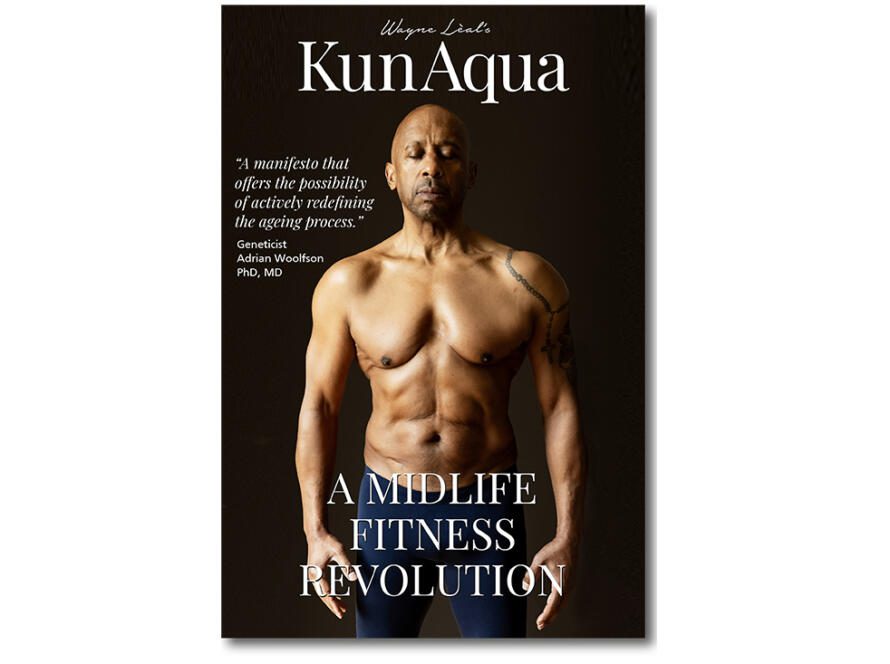
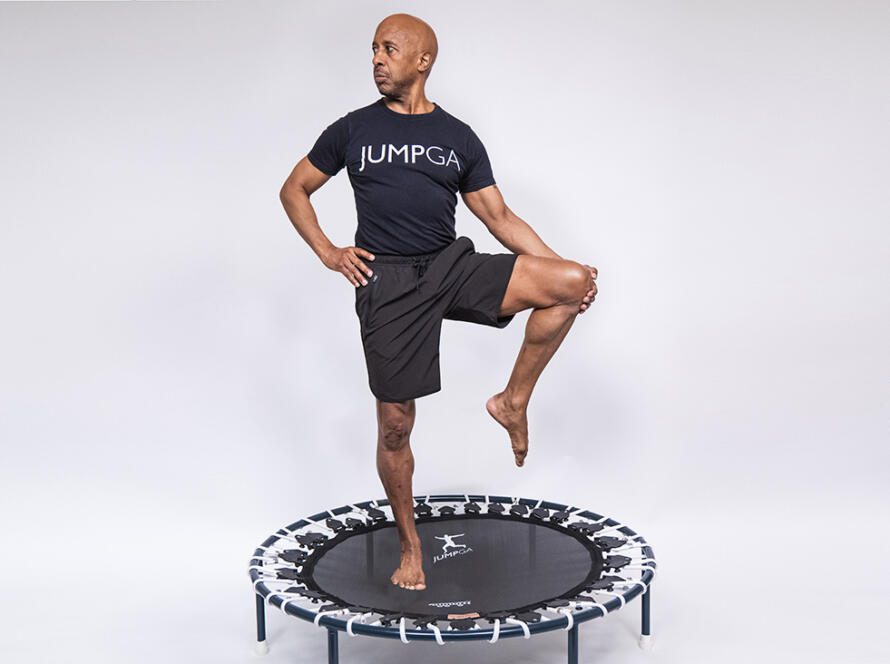
People often ask me how I stay looking younger than my age.
The questions are predictable. Do I take supplements? Do I follow a particular diet? Have I discovered some secret routine?
When I tell them none of the above, they’re usually disappointed. They are looking for something they can buy, copy or measure. They assume youthfulness is the result of a system. The answer isn’t what they’re expecting.
I don’t sleep particularly well. I eat what I want, although I’m conscious of what I eat. I move throughout the day and exercise for about an hour. I love my profession. I value my family and friends. I’m grateful for what I have and I’ve learned to enjoy my own company. Just as importantly, I’ve learned not to carry people or problems that don’t deserve my attention.
None of that is a programme. It’s simply the way I’ve chosen to live.
Over the years I’ve realised people aren’t really asking why I look younger. They’re asking whether there’s a shortcut to becoming the sort of person they imagine I must be.
I don’t believe there is.
Who we become is rarely the result of one dramatic decision. More often it’s the accumulation of thousands of almost invisible ones. The choice to move rather than remain seated. To become curious rather than cynical. To forgive rather than resent. To accept rather than complain. To participate rather than quietly withdraw. Those decisions eventually become an identity.
Looking back, I can see where mine began.
My mother raised three boys on her own. Life cannot have been easy, yet I rarely remember her complaining about it. She dealt with what was in front of her, accepted what she couldn’t change and carried on. Years later, when I discovered Stoic philosophy, I realised I wasn’t learning something entirely new. I was giving language to principles I had watched being lived every day as a child.
Life, of course, has brought disappointments of its own. Projects fail. Relationships change. People disappoint you. You lose people you love. I’ve also survived life-threatening injuries. I’ve never thought resilience meant pretending these things don’t matter. It means refusing to let them define who you are.
A few weeks ago, Stefan, who has called me Uncle Wayne for as long as I can remember, asked whether I’d like to go for a motorcycle ride. My first thought was simple. I can’t be arsed. Then I laughed at myself. There I was, sitting in front of my laptop writing about Participation over Withdrawal while quietly choosing withdrawal. So, I closed the laptop and went.
The ride itself is almost irrelevant. What mattered was recognising that the philosophy only has value if I’m willing to live it. Participation isn’t always found in extraordinary adventures. More often it’s a small decision made on an ordinary afternoon when staying exactly where you are would be easier.
That is true of health as well.
I’ve come to believe health is shaped as much by what we refuse to carry as by what we choose to do. I no longer feel obliged to say yes to every request, involve myself in every argument or absorb every piece of bad news that crosses my screen. Attention is finite, and where we invest it becomes the architecture of our lives.
The same principle applies physically. The human body is made to move. Walking, stretching, cycling and exercise aren’t punishments for getting older; they’re simply acts of cooperation with the way we’re made.
People still ask me for my routine. They’re usually disappointed. There isn’t one. There is simply an identity that quietly shapes thousands of ordinary decisions.
People also continue to ask what I take. I smile because they’re still looking for something external. The answer they don’t expect is that youthfulness isn’t something I’ve tried to acquire. It’s the consequence of building a life I don’t want to escape from.
To me, that’s Meta-Age. It isn’t a programme. It isn’t a supplement. It isn’t even about age. It’s the identity that quietly shapes your choices, day after day, until one day people stop asking how old you are and start asking how you live.