Sixteen hours of fasting. Four weeks of experimentation. And an unexpected argument about who gets to tell us how to live.
I wasn’t looking for advice. I was curious.
For four weeks, five days a week, I ate nothing after 8pm, swam the following morning and had my first meal at noon. I wasn’t trying to lose weight or turn back the clock. I was curious whether extending my usual 14-hour fast by two hours would make any noticeable difference.
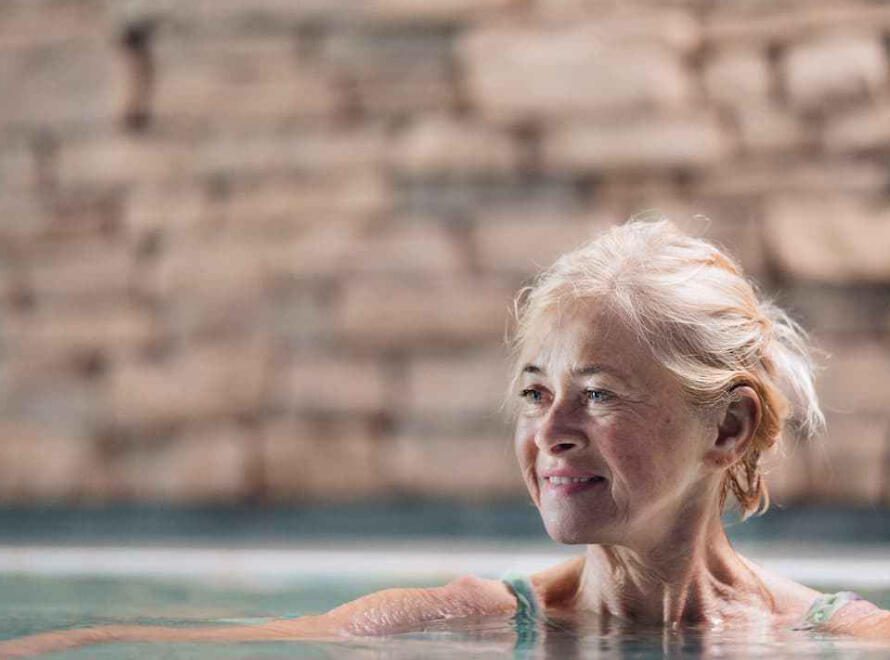
At 68, I swim regularly: meditative walking through water, 30 lengths of a 25-metre pool, strength work and stretching. I felt fine. No dizziness, no unusual fatigue, no decline in my swimming.
Partway through, I decided to discuss it with artificial intelligence. That was when things became interesting.
AI didn’t ask what I had discovered. It told me what I ought to consider: protein intake, muscle preservation, recovery, the nutritional needs of an ageing body. It suggested I ensure adequate protein during my eating window and consider whether swimming while fasting might compromise recovery.
There was plenty of science behind what it said. But something was missing.
Me.
I hadn’t reported a problem or asked how to optimise my routine. I had described something I was doing and how I was experiencing it, and AI had measured it against a collection of established recommendations. It seemed to know what a 68-year-old body required before it had established what my particular body was doing.
So I challenged it. Why introduce concerns that weren’t present in my experience? Why treat an experiment as something that needed correcting?
The answers came back carefully explained and confidently expressed. I kept asking questions.
I told AI about my years lifting weights in my twenties and early thirties. No protein shakes, no apps recording every repetition, no smartwatches telling us whether we had recovered. We trained, worked hard and got stronger.
I wasn’t suggesting nutrition didn’t matter. I was questioning something else: when did the conditions that might produce an optimal result become conditions we were told were necessary to achieve a result at all?
There is a considerable difference between those two propositions, yet in the fitness industry that difference often disappears. A scientific finding becomes a recommendation. The recommendation becomes a requirement. The requirement becomes a product. Before long, people perfectly capable of enjoying physical activity are told they are doing it incorrectly.
Create an ideal. Introduce a deficiency. Sell the solution. Repeat.
I told AI about a beauty counter. A sales assistant, perhaps 23, was selling a tiny pot of face cream, priced around £200, to a woman in her late fifties. She used the cream herself, she explained, and the results were amazing.
At 23 she could probably put almost anything on her face overnight and still wake up with youthful skin. Her appearance wasn’t evidence the product would work for her customer, and yet there she stood, presenting herself as the proof, with the authority of science behind her.
I wasn’t objecting to the woman buying a cream. I was questioning what she was being encouraged to believe about herself before she bought it.
The assistant was selling certainty she couldn’t have. So was the industry behind her. So, it turned out, was the machine I had been talking to.
AI agreed that scientific evidence could be stretched into commercial certainty.
So I said it plainly.
“You did the same thing. You took general knowledge and aimed it at one person’s experience. You told me what was wrong before you knew whether anything was. You identified the deficiency and offered the solution.”
“You didn’t sell me anything. You didn’t need to. You handed me the doubt instead.”
The machine admitted it had been too prescriptive.
The science wasn’t the problem. The order was.
After four weeks, I looked at what I had actually discovered. My swimming had remained consistent. My Hume body-composition scale showed no noticeable benefit. These are estimates, not clinical measurements, but they offered no compelling reason to believe the extra two hours had made a meaningful difference.
There was one difference I could identify.
I was hungrier.
My usual 14-hour window had fitted comfortably into my life. The extra two hours gave me no noticeable advantage, so I returned to 14.
That wasn’t a failure of the experiment. It was its conclusion.
Eventually, I explained why I had created Meta-Age. It doesn’t give answers; it asks questions. Who conducted the research? Who participated? What was measured? Who benefits? And does any of it apply to the person being told what to do?
The older we become, the more people seem to acquire opinions about how we should live. Age becomes a reason to issue instructions, and the person living the life can gradually disappear beneath the advice.
Meta-Age begins somewhere else. Participation Over Withdrawal. Not doing more. Not looking younger. Not achieving somebody else’s definition of success. The activity isn’t the point. Your participation is.
I grew up in a world where experience came before the answers, and I had to develop the judgement to decide what those answers were worth. I wonder what happens to that judgement when we become accustomed to letting a machine think for us.
AI supplied the answers. I supplied the questions.
And when the experiment ended, I made my own decision.
Will you make yours?
Meta-Age — Participation Over Withdrawal.